Business casual means different things in different offices, and that confusion has probably made you second-guess your outfit choice more times than you’d like to admit.
The tech startup down the street has a wildly different vibe than the law firm uptown, and showing up dressed wrong can make even the most confident guy feel off his game. Here’s the good news: once you understand how to adapt business casual to your specific environment, getting dressed becomes effortless.
1. Traditional Corporate Environments – The Classic Approach
Why conservative still works: Finance, law, insurance, and consulting firms expect a polished, professional appearance that communicates reliability and trust from the moment you walk in.
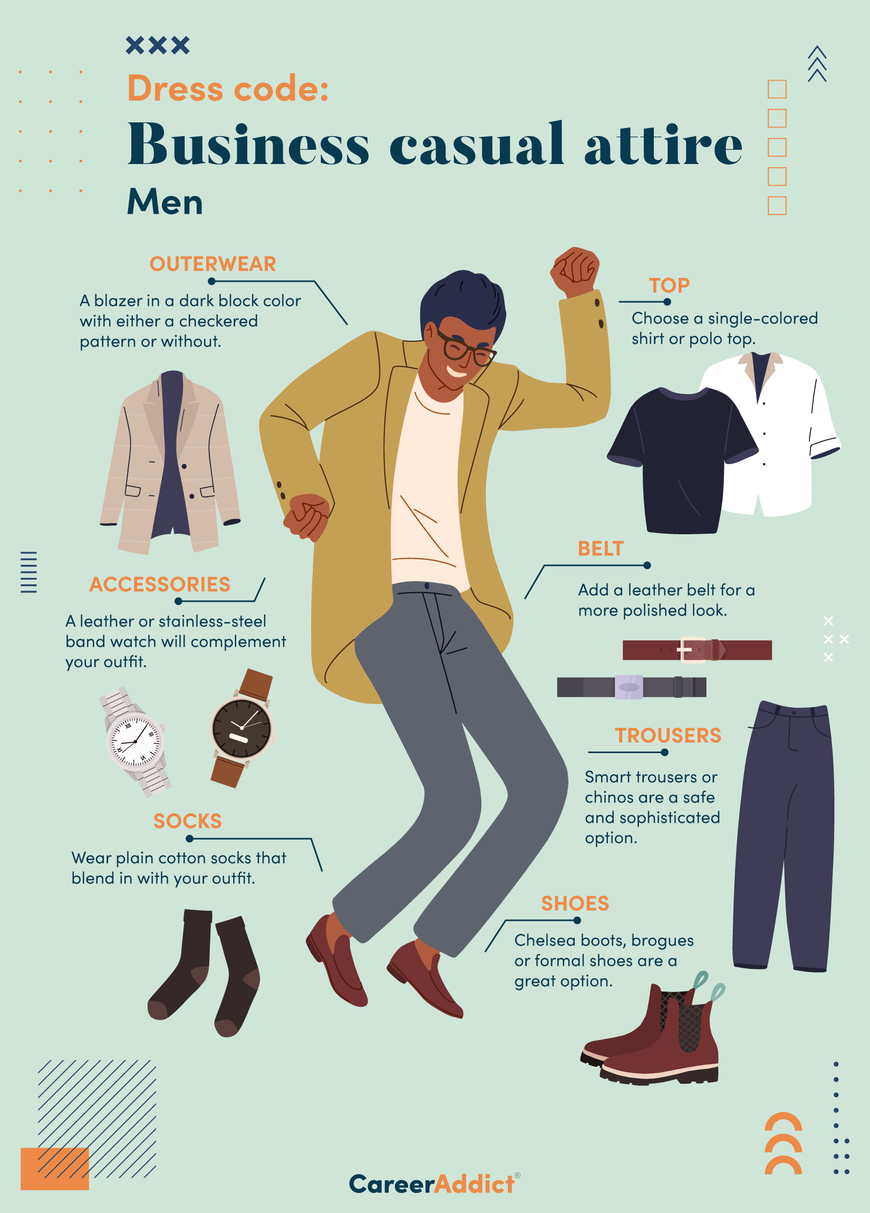
Navy or charcoal dress pants paired with a crisp button-down shirt are your foundation according to Hockerty’s style guide. Add a lightweight blazer for meetings with senior leadership or external clients. Leather dress shoes—oxfords, derbies, or loafers in brown or black—are non-negotiable. Skip the tie unless your office culture demands it, but keep one handy for important presentations.
GQ emphasizes that pressed trousers and quality button-ups signal competence in these settings. This is a game-changer when you need to command respect in conservative environments—your appearance should reinforce your expertise, not distract from it.
2. Tech Startups and Creative Companies – Smart Casual Territory
Freedom with intention: Creative industries, tech companies, and startups embrace relaxed dress codes, but “relaxed” doesn’t mean you rolled out of bed five minutes ago.
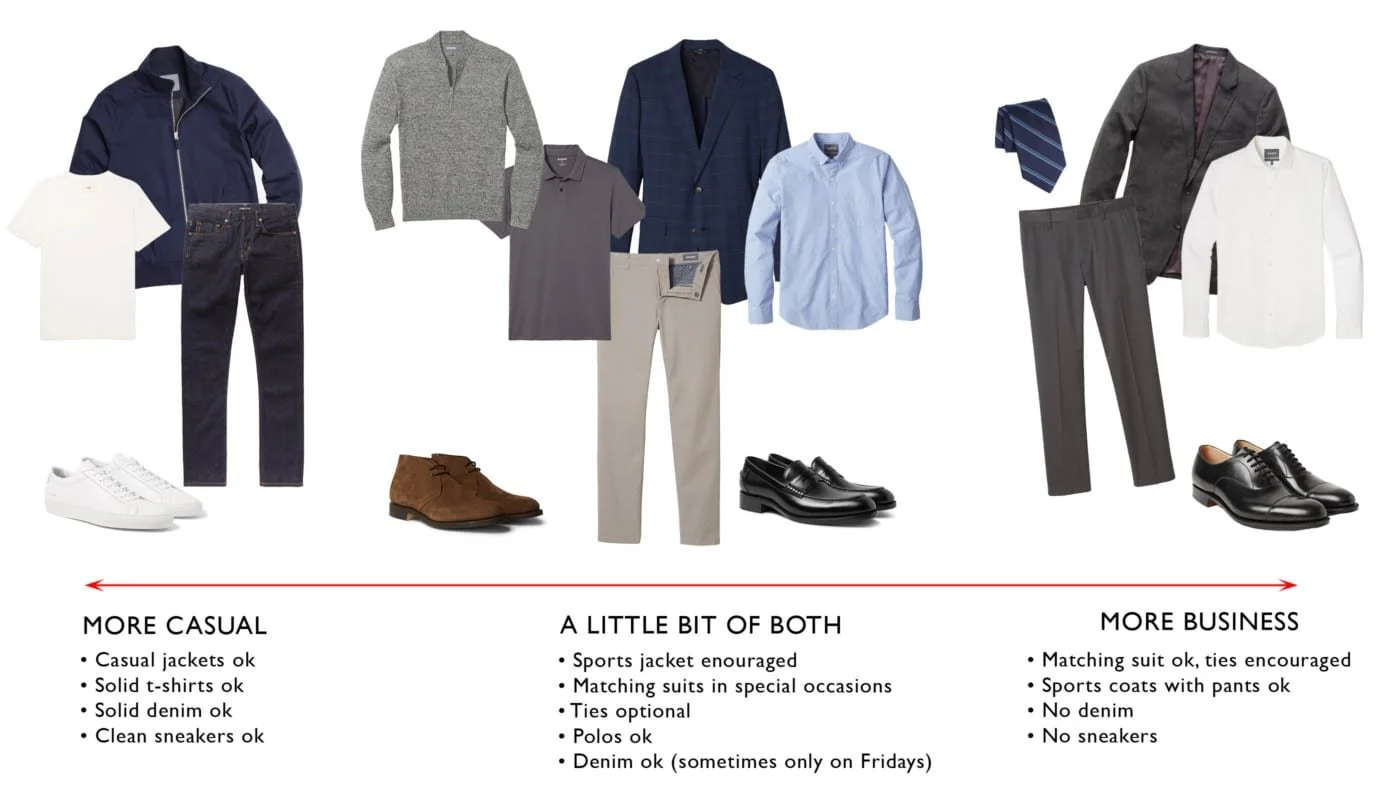
Dark-wash jeans without distressing paired with a quality button-down or polo work perfectly here. Esquire notes that incorporating finer-quality pieces that are still casual creates that polished-but-approachable vibe. Swap the structured blazer for a well-fitted cardigan or crew-neck sweater. Clean minimalist sneakers are often acceptable alongside loafers—just keep them looking intentional, not athletic.
The goal is looking like you care about your appearance without the stuffiness of traditional corporate wear. GQ’s office style guide suggests this environment rewards personality while maintaining professionalism. You’ll love this one! It’s where comfort meets style, and you can express your taste without sacrificing credibility.
3. Client Meetings and Presentations – Elevating Your Game
First impressions stick: When meeting clients or presenting to stakeholders, dial up your business casual by one notch regardless of your daily office dress code.
A blazer becomes essential here—it instantly signals that you take the meeting seriously. Pair it with dress pants or premium chinos, a button-down shirt, and polished leather shoes. President Tailors recommends keeping accessories minimal but quality: a good watch, leather belt that matches your shoes, and a structured leather bag if you’re carrying documents.
Men’s Fashioner emphasizes that this level strikes the perfect balance between approachable and authoritative. You want clients focusing on your solutions, not wondering if you’re prepared for the meeting. The extra polish demonstrates respect for their time and investment.
4. Casual Fridays – Relaxed But Not Sloppy
The fine line: Casual Friday is a privilege, not a free pass to wear your weekend lawn-mowing outfit to the office.
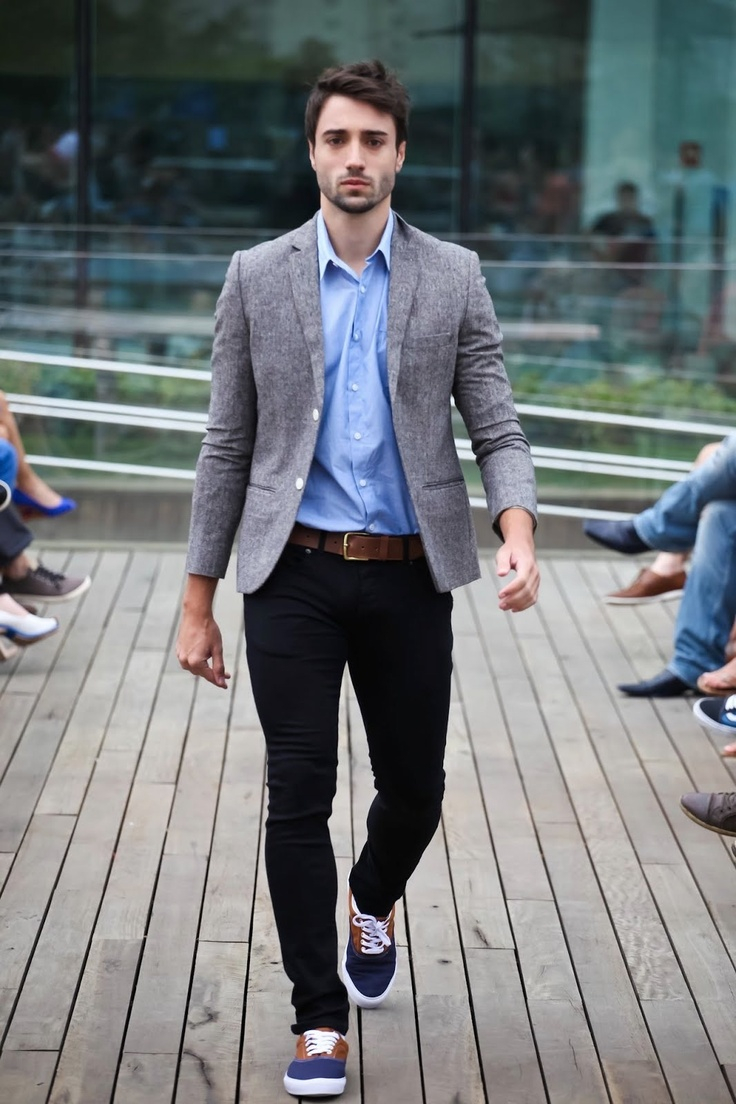
Chinos in olive, khaki, or navy paired with a polo shirt or casual button-down hit the sweet spot. Westwood Hart’s office wear guide suggests this is where you can experiment with slightly bolder colors or patterns without crossing into unprofessional territory. Loafers or clean leather sneakers work well. You can skip the blazer, but your shirt should still have a collar.
The key is maintaining that “I still work here” vibe while being more comfortable. GQ notes that even on casual Fridays, wrinkled clothes or beat-up shoes signal you’ve mentally checked out. This is a game-changer for guys who want to relax their style without losing professional credibility.
5. Networking Events and Conferences – Making Connections Count
Stand out for the right reasons: Networking events require business casual that’s polished enough to make memorable first impressions while being approachable enough for conversation.
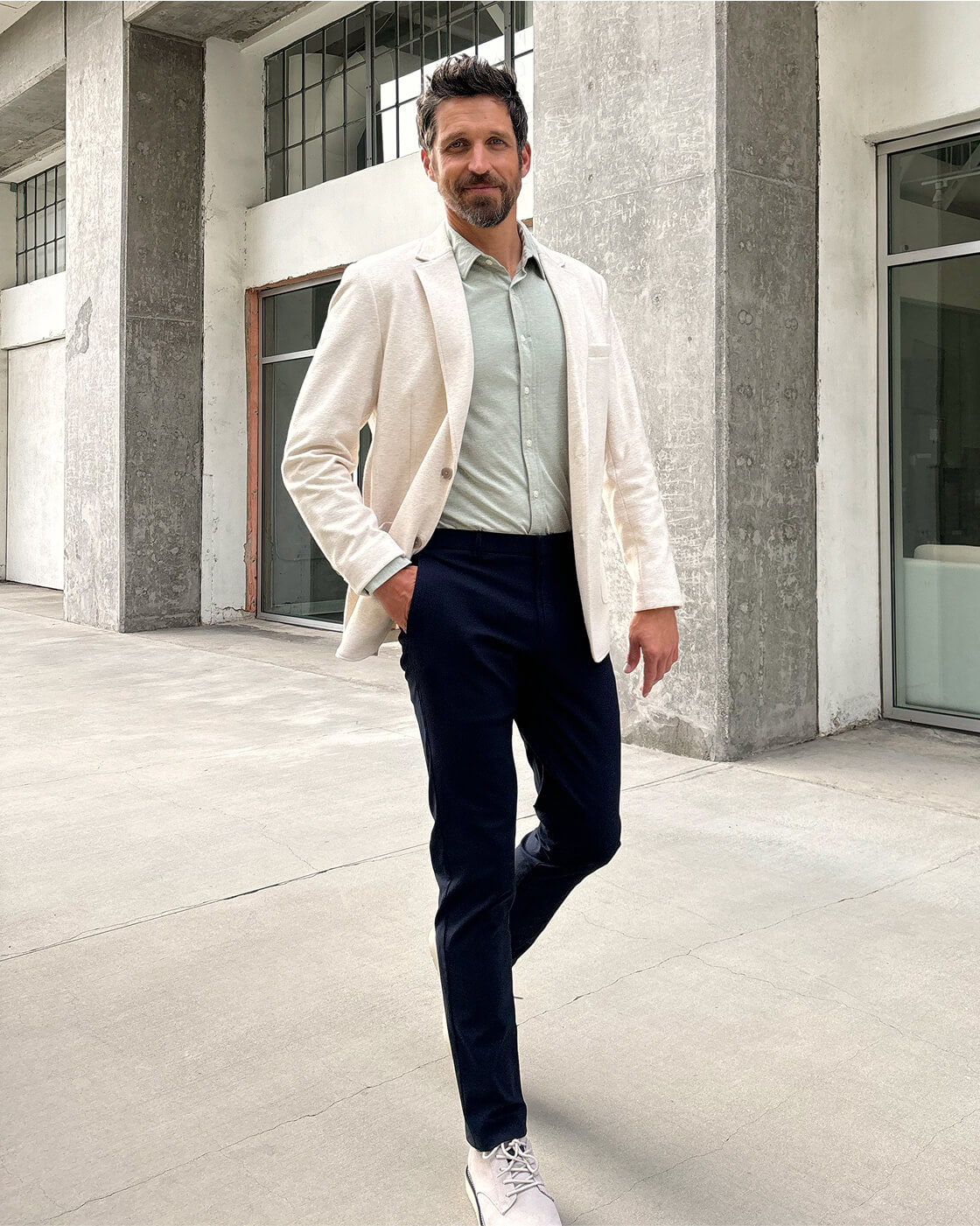
A blazer over a button-down or quality polo creates instant professionalism. Dark chinos or dress pants with leather shoes keep you looking sharp through hours of standing and mingling. Hangrr’s style guide suggests this is where refined accessories—quality watch, leather belt, pocket square—add personality without overwhelming your outfit.
The Modest Man notes that networking attire should be conversation-starting, not conversation-stopping. You want people remembering your insights, not your outfit choices. Strike a balance between memorable and professional, leaning slightly more formal than you think necessary.

6. Job Interviews – Dress for the Position You Want
Play it safer: When interviewing, always dress one level more formal than the company’s stated dress code suggests.
If they say business casual, wear a full suit or at minimum a blazer with dress pants. If they’re casual, wear business casual. CV Maker’s interview guide emphasizes you can never be overdressed for an interview—it shows you’re serious about the opportunity. Button-down shirt, pressed dress pants, polished leather shoes, and a blazer are your interview uniform until you know otherwise.
Fashion Beans notes that first impressions in interviews happen in seconds, and your appearance either opens doors or closes them before you speak. You’ll love this one! Looking slightly overdressed demonstrates ambition and respect, while underdressed suggests you don’t value the opportunity.

7. Remote Work Video Calls – Camera-Ready Professional
The new normal: Video calls require business casual from the waist up, but don’t let that fool you into thinking your bottom half doesn’t matter.
A button-down shirt or polo in solid colors or subtle patterns works best on camera—busy patterns can create weird visual effects. Esquire’s smart casual guide recommends avoiding stark white shirts that can wash you out on video. Business Insider suggests keeping a blazer nearby for unexpected calls with senior leadership. And yes, wear actual pants—you never know when you’ll need to stand up.
The key is looking as polished on screen as you would in person. Proper lighting and a clean background matter, but your outfit sets the professional tone. Many guys have learned this lesson the hard way during stand-up moments in virtual meetings.

8. Summer Business Casual – Beating the Heat Professionally
Staying cool and credible: Summer heat doesn’t give you permission to abandon professionalism, but smart fabric choices make all the difference.
Lightweight chinos in breathable fabrics paired with short-sleeve button-downs or quality polos keep you comfortable. Hockerty recommends linen blends for blazers if your office requires them—they breathe better than wool. Loafers without socks (or with no-show socks) work in more relaxed environments. Stick with lighter colors like light blue, tan, and pale pink that don’t show sweat as obviously.
The Speaker Lab notes that summer business casual is about fabric choice as much as style choice. Moisture-wicking materials and natural fibers like cotton and linen prevent that wilted look by 2 PM. This is a game-changer for guys in hot climates or offices with questionable AC.

9. Winter Business Casual – Layering with Purpose
Cold weather credibility: Winter requires thoughtful layering that looks intentional, not like you grabbed everything in your closet.
Start with a button-down shirt, add a crew-neck or v-neck sweater, top with a blazer or sport coat. Wool trousers provide more warmth than chinos while maintaining professionalism. The Essential Man’s wardrobe guide emphasizes that layering should enhance your silhouette, not bulk you up. Leather shoes with proper socks (no ankles showing) and a quality topcoat complete the look.
Reddit’s male fashion advice community notes that winter is actually easier for business casual because layers add visual interest and authority. The key is coordinating colors—stick to neutrals with maybe one accent color. Your coat becomes part of your professional appearance, not just weather protection.
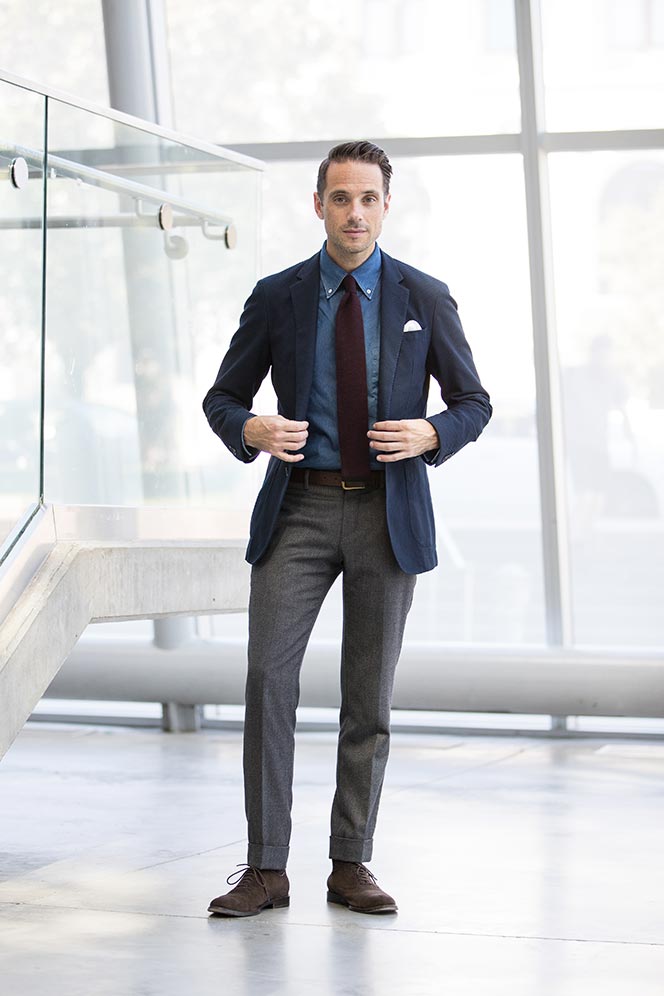
10. The Three-Color Rule – Keeping It Cohesive
Simplicity equals sophistication: Limit visible colors in your outfit to three maximum—this prevents looking like you got dressed in the dark.
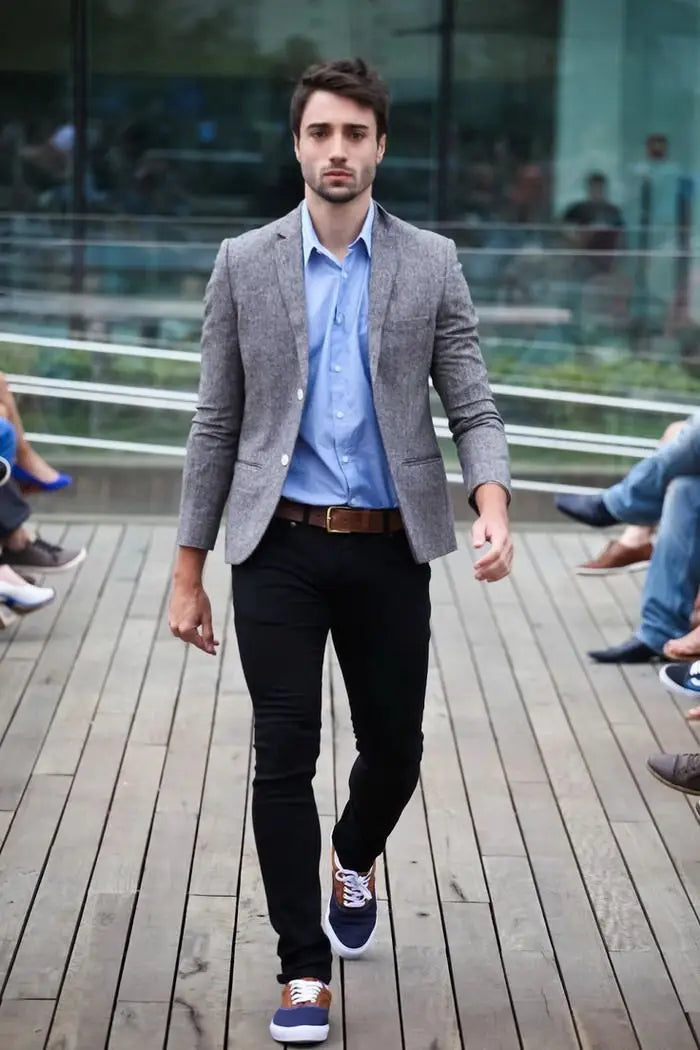
Navy, gray, olive, black, and white make ideal base tones according to NeceSera’s fashion principles. Build around one or two neutrals, then add one accent through your shirt, sweater, or accessories. For example: navy chinos, white button-down, gray blazer. Or gray pants, light blue shirt, navy sweater. The combinations become automatic when you stick to versatile neutrals.
GQ’s style guides consistently emphasize this rule because it makes getting dressed faster and ensures everything in your closet works together. You’ll love this one! You can’t really mess up when working with a limited, coordinated palette, and you’ll always look intentionally put-together.

Your Professional Style Action Plan
Here’s your truth: mastering business casual for your specific environment isn’t about owning a massive wardrobe. It’s about understanding your setting’s expectations and having quality pieces that fit well, coordinate effortlessly, and make you feel confident in any professional situation. Start with the essentials—quality chinos, versatile button-downs, one excellent blazer, and leather shoes—then adapt based on your industry and occasion.
The modern workplace rewards guys who look polished without trying too hard. Business casual bridges that gap between approachable and professional, between comfortable and credible. Once you’ve built these foundations and understand when to dial up or down, getting dressed becomes automatic, and you can focus your energy on actually performing at work instead of worrying about your appearance.
Invest in quality over quantity. Pay attention to fit. Understand your setting’s specific expectations. And remember: when in doubt, slightly overdressed beats underdressed every single time. Now go build that versatile business casual wardrobe and show them what professional success looks like in 2025. You’ve got this!
Leave a Reply