Winter mornings can be brutal when you’re trying to figure out what to wear to work. You want to stay warm during your commute, but you also don’t want to sweat through meetings once you’re indoors. Sound familiar? Let’s solve this puzzle together and get you looking sharp while staying comfortable all winter long.
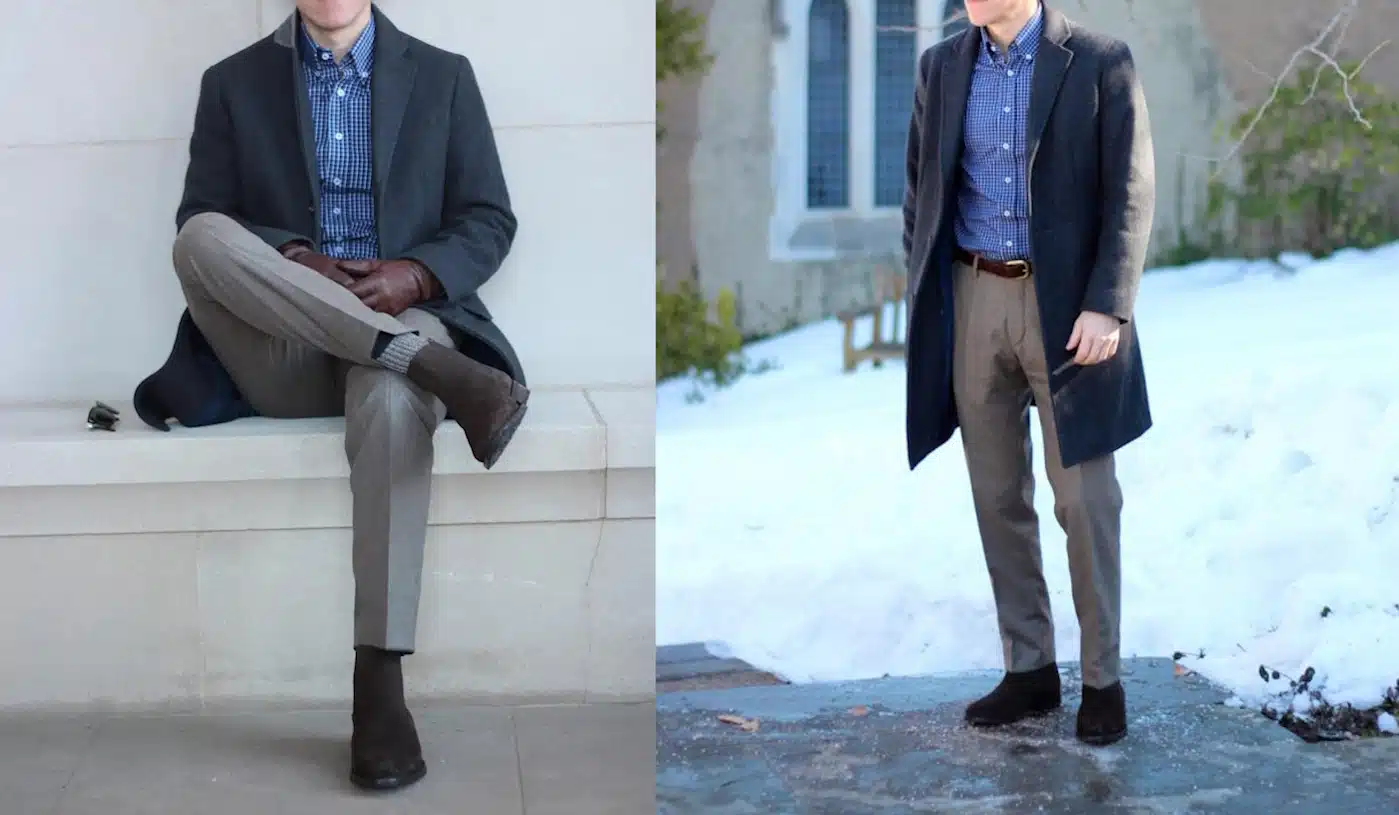
1. Master the Art of Layering (Your Secret Weapon Against the Cold)
Here’s the thing about winter dressing—it’s not about throwing on the thickest sweater you own. It’s about smart layering that adapts to different temperatures throughout your day.

The layering system works because it traps warm air between each layer while giving you the flexibility to adjust. When you walk into a heated office from a freezing parking lot, you can simply remove your outer layer instead of suffering in a heavy, single-piece coat. This is a game-changer for your comfort level!
Think of layering as building blocks. Each piece serves a purpose, and together they create a system that keeps you warm without looking bulky. Plus, you’ll save money in the long run because you’re mixing and matching pieces instead of buying specialized outfits for every temperature.
Start With a Quality Base Layer
Your base layer is the foundation of everything. This is the piece that sits directly against your skin, so it needs to work hard. Skip the cotton undershirts—they absorb moisture and leave you feeling cold and clammy.
Instead, go for merino wool or synthetic moisture-wicking fabrics. These materials pull sweat away from your body and dry quickly, keeping you comfortable whether you’re rushing to catch the train or sitting in back-to-back meetings. You’ll love this one—a good base layer is invisible under your work clothes but makes a massive difference in how warm you feel.
2. Invest in Versatile Mid-Layers That Elevate Your Look
Your mid-layer is where function meets style. This is the piece people actually see, so it needs to look professional while providing warmth. The beauty of mid-layers is that they work overtime in your wardrobe.
The Power of Sweater Vests
Don’t sleep on sweater vests! They’ve made a huge comeback, and for good reason. A well-fitted sweater vest over a button-down shirt creates a polished, business-casual look while keeping your core warm without restricting arm movement.
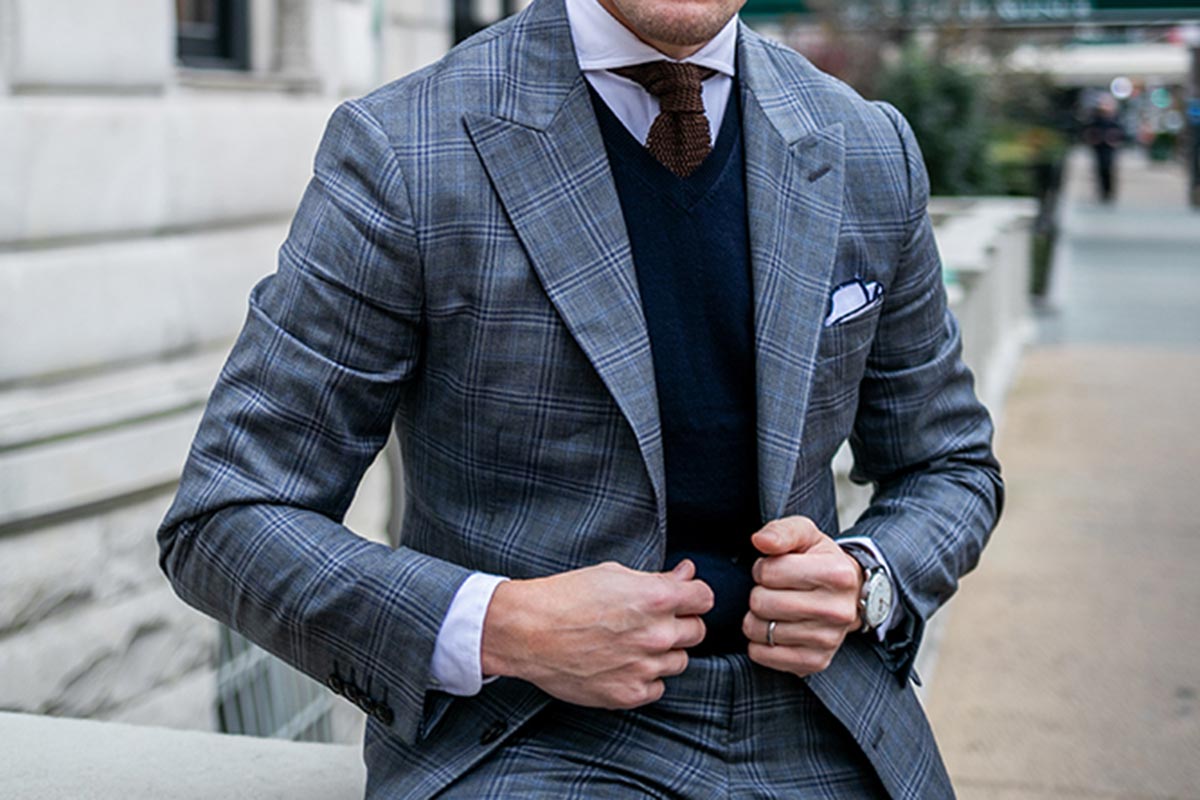
Choose neutral colors like navy, charcoal, or camel that coordinate with multiple outfits. This single piece can transform five different button-down shirts into five completely different looks. That’s smart dressing right there!
Cardigans and Quarter-Zips
These are your office MVPs. A lightweight merino cardigan or quarter-zip sweater gives you that professional edge while being easy to remove when the office heating kicks in. The reason these work so well is temperature control—you can unzip or unbutton quickly without completely changing your outfit.
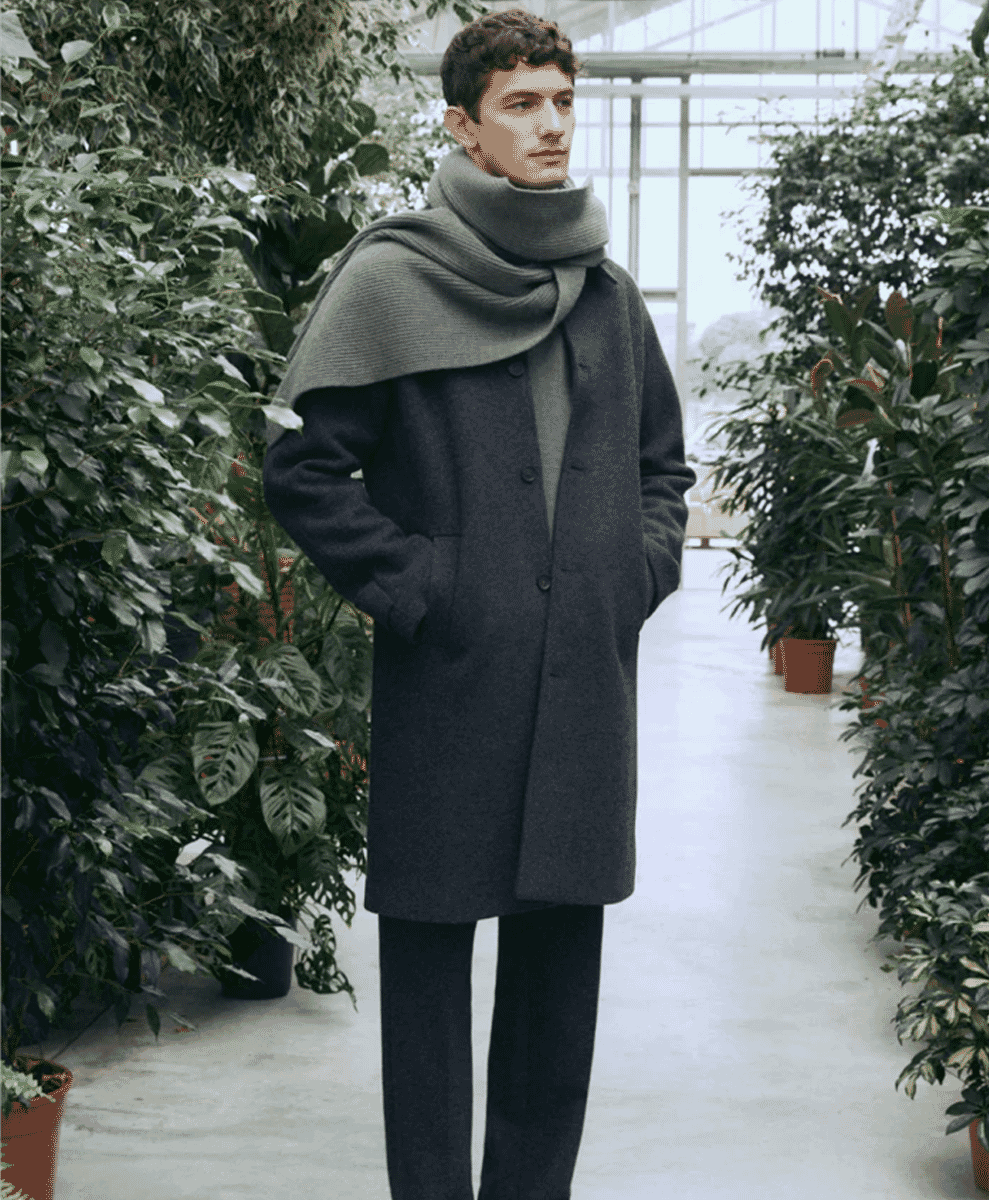
Stick with solid colors or subtle patterns. When you wear them over a crisp white or light blue dress shirt, you instantly look put-together and intentional about your style.
3. Choose the Right Outer Layer (Your Armor Against the Elements)
Your outer layer is your first line of defense against winter weather, but it also makes the biggest style statement. This is where you should invest quality dollars because a great coat lasts for years and elevates every outfit you wear.
The Classic Wool Overcoat
There’s a reason this style has endured for generations. A well-tailored wool overcoat in charcoal, navy, or camel works with everything from suits to jeans. The wool fabric is naturally water-resistant, breathable, and incredibly warm.

This is your go-to for client meetings, presentations, or any time you need to look seriously professional. The structured silhouette makes you look taller and more polished, while the longer length protects more of your body from the cold. You’ll love how this piece instantly upgrades even your most basic outfit.

Puffer Jackets (Warmth Without Compromise)
Modern puffer jackets have come a long way from those puffy marshmallow coats of the past. Today’s versions are sleek, packable, and incredibly warm thanks to advanced insulation technology. They’re perfect for casual Fridays or tech company dress codes.
The key benefit here is warmth-to-weight ratio. You get maximum insulation without feeling weighed down, which matters when you’re commuting or running between buildings. Look for styles with minimal quilting and matte finishes for a more sophisticated appearance.
4. Don’t Forget the Finishing Touches (Accessories That Make All the Difference)
Accessories aren’t just decorative—they’re functional pieces that protect the areas where you lose the most body heat. Your head, neck, and hands are critical zones, and covering them properly makes everything else work better.
Scarves Worth Wearing
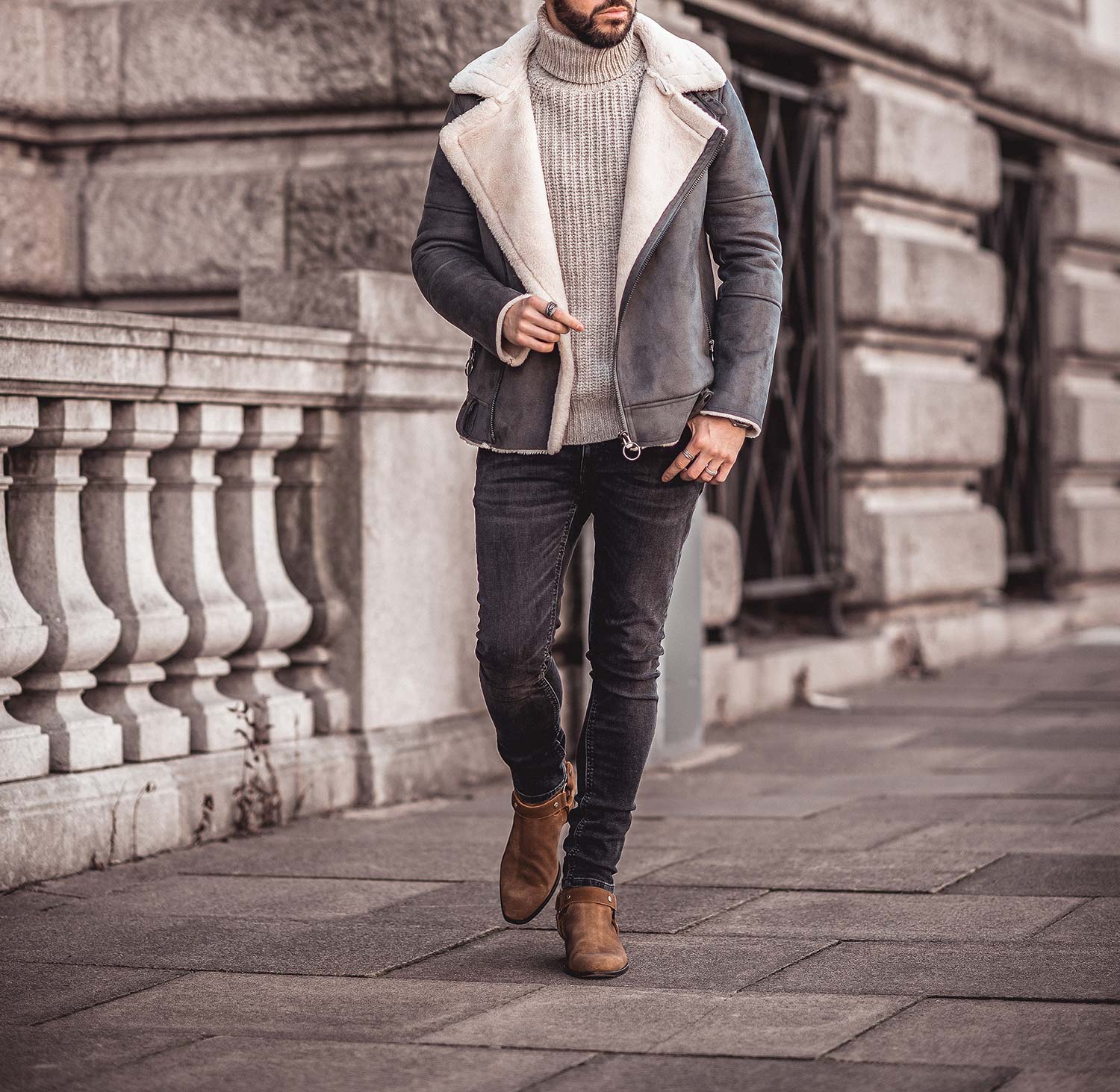
A quality wool or cashmere scarf does double duty. It keeps your neck warm (preventing that uncomfortable cold collar gap) and adds a touch of sophistication to your winter look. The beauty of scarves is versatility—you can wear them loosely for style or wrap them tightly for warmth depending on the temperature.
Choose solid colors or classic patterns like herringbone or plaid that complement your coat. This is a game-changer for your overall appearance—the right scarf makes you look like someone who understands style fundamentals.
Gloves and Leather Goods
Your hands need protection during your commute, but you don’t want bulky gloves that make you look like you’re ready to build a snowman. Invest in slim-fitting leather gloves lined with cashmere or thermal material. They look professional, feel luxurious, and keep your hands warm without adding bulk.
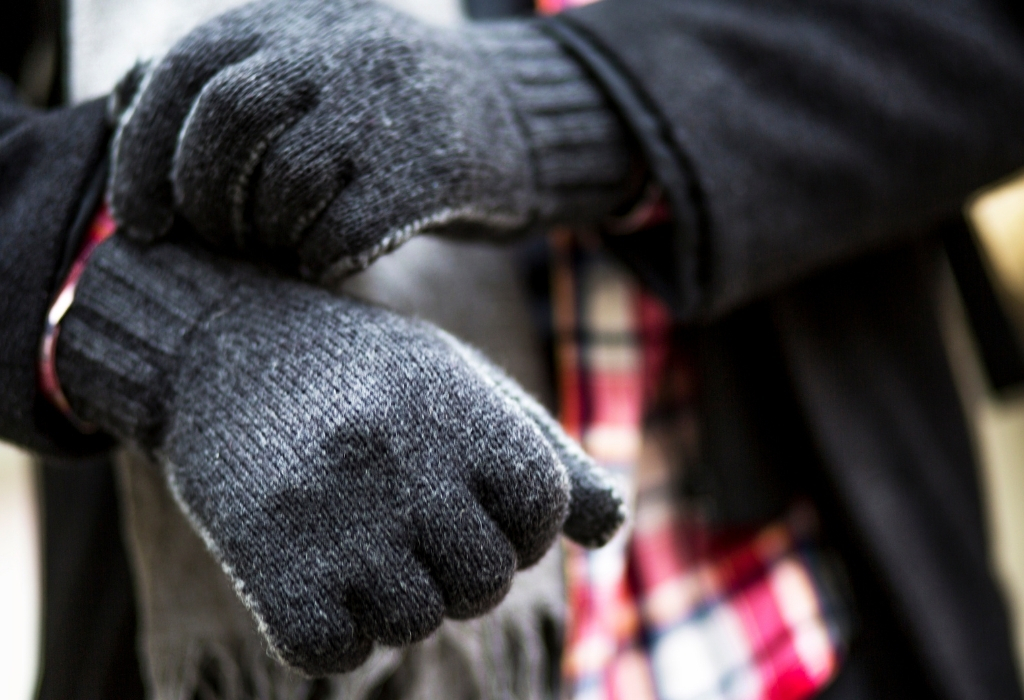
Touchscreen-compatible fingertips are essential in today’s world—you can check your phone or use your badge reader without removing them. That convenience factor alone makes them worth every penny.
5. Select the Right Fabrics (Materials Matter More Than You Think)
Not all winter fabrics are created equal, and understanding which materials work best will completely transform your winter wardrobe strategy. The right fabric choice means you stay comfortable all day without constantly adjusting your clothing.
Wool Is Your Best Friend
Wool deserves its reputation as the king of winter fabrics. It’s naturally temperature-regulating, meaning it keeps you warm when it’s cold but doesn’t overheat you indoors. Merino wool is especially fantastic because it’s soft against skin, doesn’t itch, and naturally resists odors.
For work clothes, look for wool-blend trousers that maintain their structure and resist wrinkles. Wool sport coats and blazers breathe better than synthetic alternatives while looking more expensive and refined.
Flannel and Corduroy
These textured fabrics add visual interest to your winter wardrobe while providing extra warmth. Flannel button-downs in muted plaids work perfectly under sweaters or blazers, giving you that layered professional look. The brushed cotton surface traps air, creating natural insulation.
Corduroy pants or blazers bring a smart-casual sophistication that’s perfect for creative offices or casual Fridays. The ribbed texture adds dimension to your outfit, making even simple combinations look thoughtfully put together. This is fashion working for you, not the other way around!
6. Build a Color Palette That Works Together
Winter dressing becomes exponentially easier when your clothes coordinate effortlessly. Instead of owning dozens of mismatched pieces, focus on building a cohesive color palette where everything works together.

Start with neutrals as your foundation: navy, charcoal gray, camel, and black. These colors form the backbone of professional winter wardrobes because they’re timeless, versatile, and appropriate for any business setting. When all your base pieces coordinate, getting dressed becomes dramatically simpler.
Then add accent colors sparingly. A burgundy sweater, forest green cardigan, or rich brown accessories can add personality without looking unprofessional. The strategy here is maximum versatility—when any top works with any bottom, you multiply your outfit options exponentially without buying more clothes.
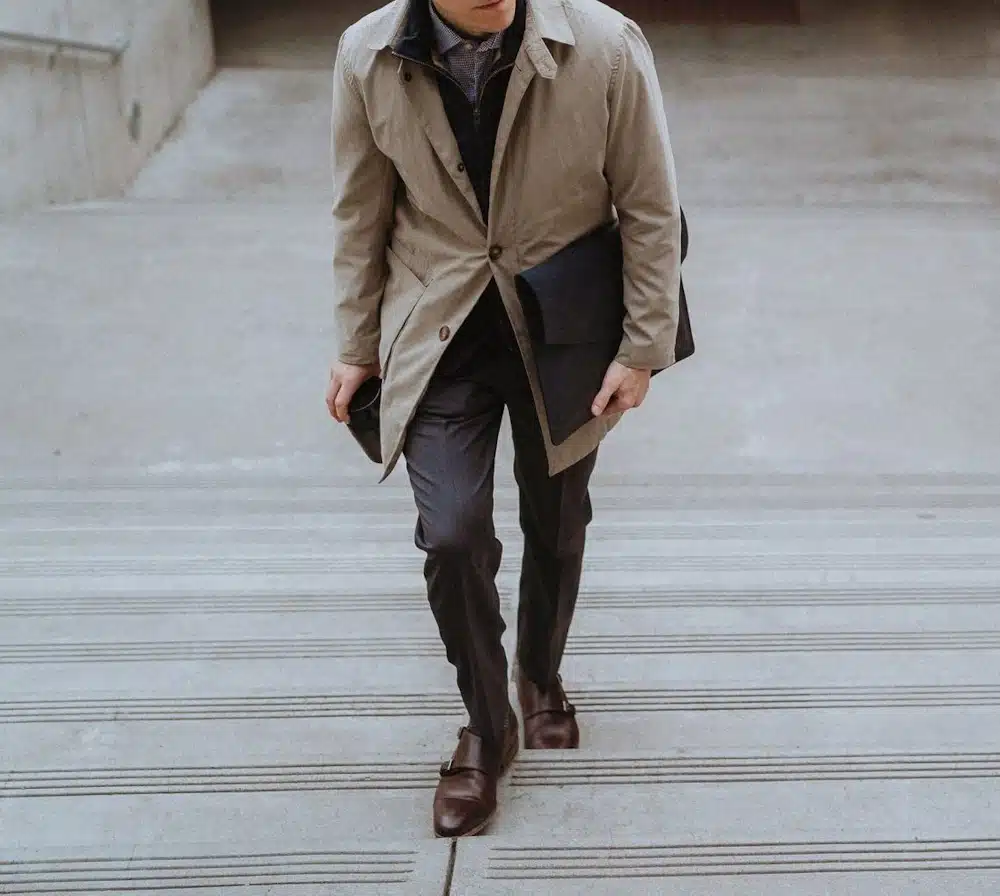
7. Focus on Proper Fit (The Game-Changer Most Men Overlook)
Here’s a truth bomb: expensive clothes that fit poorly look worse than affordable clothes that fit perfectly. Winter layering makes fit even more critical because you’re wearing multiple pieces simultaneously.
Your base layer should fit snugly against your skin without restricting movement. Mid-layers should have enough room to move freely but not so much that they bunch up under your coat. Your outer layer needs to accommodate everything underneath while still maintaining a streamlined silhouette.
If you’re between sizes, size up on outer layers and mid-layers to accommodate layering, but keep base layers fitted. A tailor can work miracles on coats, blazers, and trousers—shortening sleeves, taking in waists, and adjusting lengths to create that custom look. You’ll love this one—a $50 investment in tailoring can make a $100 coat look like it cost $500.
8. Smart Shopping Strategies (Get More Bang for Your Buck)
Winter work clothes represent a real investment, but you don’t need to drain your bank account to look good. Strategic shopping means prioritizing quality where it matters most and finding value elsewhere.

Invest heavily in your outer coat—this piece gets worn constantly and needs to last multiple seasons. A quality wool coat from a reputable brand will outlast three cheap alternatives while looking better the entire time. The same goes for shoes and boots, which take serious winter abuse.
Save money on base layers and basic shirts by shopping smart. Many affordable brands offer excellent merino wool blends and moisture-wicking fabrics at fraction-of-premium prices. When these pieces wear out after a season or two, the replacement cost is minimal.
Shop end-of-season sales strategically. January and February are goldmines for winter clothing deals as retailers clear inventory. Buy next year’s coat this February at 50-70% off—that’s working smarter, not harder!
9. Transition Seamlessly Between Outdoor and Indoor Temperatures
One of the biggest challenges of winter work dressing is temperature variation. You’re freezing during your commute but overheating in the office within minutes. This constant adjustment is uncomfortable and distracting.
The layering system solves this brilliantly. When you arrive at work, remove your outer coat immediately and hang it up. If you’re still warm, lose the cardigan or sweater vest and work in your button-down and dress pants. As the day progresses and office temperatures fluctuate, you can adjust accordingly.
Keep a lightweight cardigan or quarter-zip at your desk as your “office layer.” This piece lives at work and prevents you from being that person who’s always too cold or too hot during meetings. This is a game-changer for your daily comfort and productivity!
10. Maintain Your Winter Wardrobe (Protect Your Investment)
Quality winter clothes require proper care to maintain their appearance and longevity. The good news is that most maintenance is straightforward and becomes routine quickly.
Wool coats and blazers should be brushed after each wear to remove surface dirt and debris. This simple habit prevents premature wear and reduces dry cleaning frequency. Hang these pieces on proper wooden hangers that support the shoulders—wire hangers create permanent damage over time.
Rotate your shoes and boots to allow them to dry completely between wears. Winter moisture and salt are brutal on leather, so wipe down shoes after each wearing and apply leather conditioner monthly. Cedar shoe trees absorb moisture and maintain shape while preventing odors. Your future self will thank you when your boots last five years instead of two.
Store sweaters folded rather than hung to prevent stretching. Clean everything before summer storage, as stains and dirt attract moths. Use cedar blocks or lavender sachets instead of mothballs—your clothes will smell infinitely better when you pull them out next fall.
Take Control of Your Winter Work Style
You now have everything you need to build a practical, professional winter wardrobe that keeps you warm without sacrificing style. Remember, this isn’t about buying a completely new closet—it’s about making strategic additions and learning to layer what you already own more effectively.
Start with the basics: invest in quality base layers, choose versatile mid-layers that work multiple ways, and splurge on one excellent outer coat. Build from there gradually, focusing on pieces that solve specific problems in your current wardrobe.
The best part? Once you nail this system, winter dressing becomes automatic. You’ll stop standing in front of your closet wondering what to wear and start your day with confidence, knowing you look professional and feel comfortable regardless of the temperature.
Winter doesn’t have to be a style struggle. With the right knowledge and approach, it becomes an opportunity to showcase your understanding of proper dressing. Now get out there and show winter who’s boss! You’ve got this.


Leave a Reply