Got a strong jawline with a narrower forehead? You’ve got what’s called a triangle (or pear) face shape—and while that prominent jaw is actually a masculine feature many guys wish they had, finding the right haircut can feel like navigating a minefield. The challenge isn’t your face shape; it’s knowing how to work with it rather than against it. The right haircut doesn’t just “work”—it creates visual balance, highlights your best features, and transforms what you might see as a problem into your signature look. Let’s break down exactly which haircuts will make you look your absolute best.
1. Understanding Your Triangle Face Shape (Why This Actually Matters)

Before we dive into haircuts, let’s get crystal clear on what defines a triangle face shape. You’ve got a wider jawline and chin area, with gradually narrowing cheeks leading to a narrower forehead. Think of it as an inverted pyramid—broader at the bottom, more tapered at the top.
Why does identifying your face shape matter? Because generic haircut advice doesn’t cut it (pun intended). What works for your buddy with an oval face might make you look disproportionate. Understanding your specific face shape means you can target haircuts that balance your proportions, creating visual width at your temples and forehead while minimizing emphasis on an already strong jaw.
Here’s the practical benefit: once you understand the “why” behind hairstyle recommendations, you’re not just blindly copying—you’re making informed decisions. You’ll know what to ask for at the barber, what to avoid, and how to style your hair for maximum impact. That knowledge is power when you’re sitting in the barber chair.
2. The Golden Rule: Add Volume on Top (Your Secret Weapon)
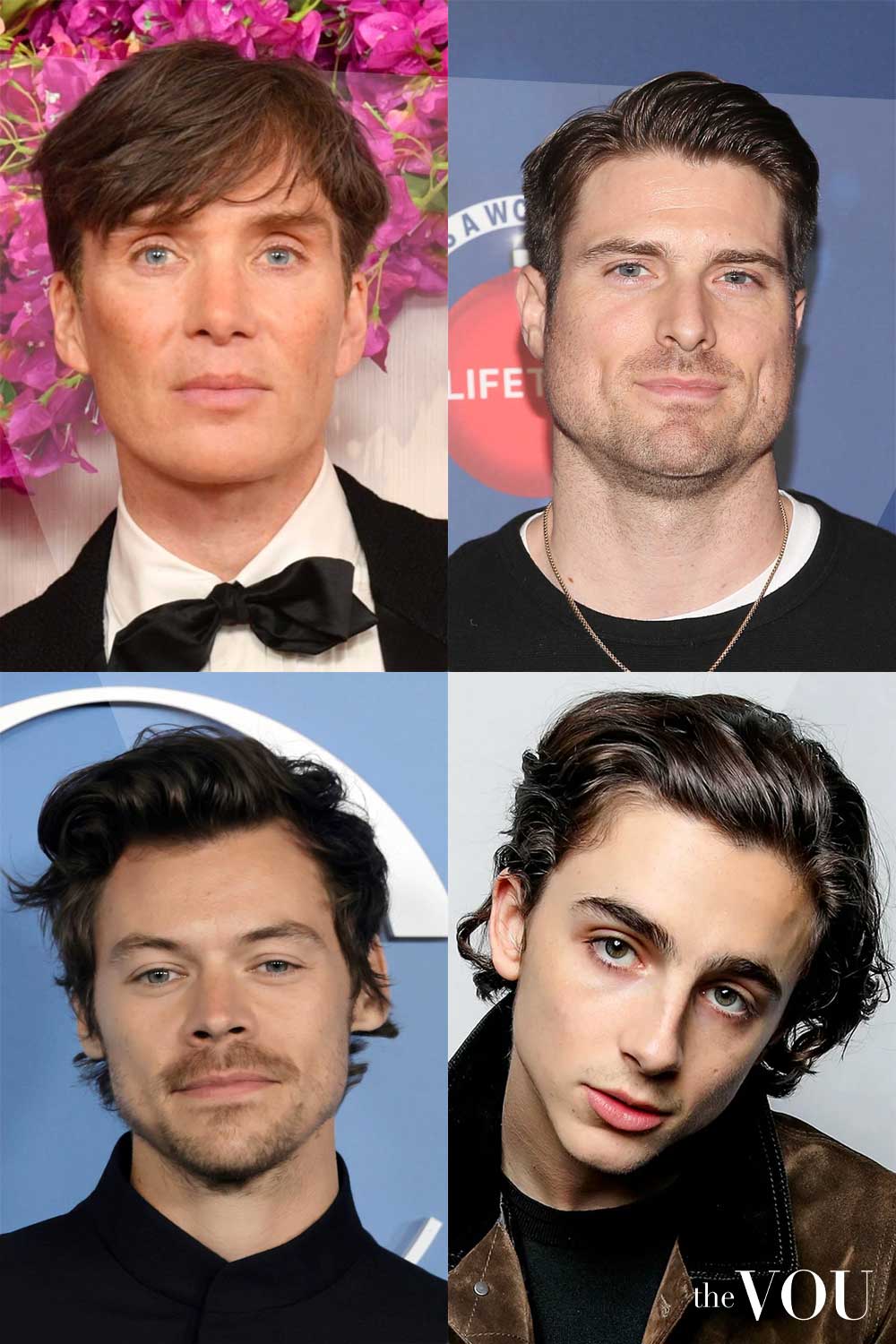
Here’s the fundamental principle that should guide every haircut decision: you want to add visual weight to the upper portion of your face. This creates balance by making your forehead appear wider and drawing the eye upward, away from the broader jaw.
Volume on top works because it counteracts the natural proportions of your triangle face. When you add height and width at the crown and temples, you’re essentially creating the optical illusion of a more balanced, oval-shaped face—which is considered the ideal proportion.
This means you should actively seek out haircuts that feature lift, texture, and fullness on top. Think pompadours, quiffs, textured crops with volume, and anything that stands up rather than laying flat. Every inch of height you add on top helps balance out the width at your jawline.
The game-changer here? You don’t need to drastically change your look—you just need strategic volume. Even a simple style can be transformed with the right amount of lift at the roots and crown. This principle applies whether you prefer short, medium, or long hair.
3. Side-Swept Styles: Creating Horizontal Width

Side-swept hairstyles are absolutely killer for triangle faces because they create horizontal width across your forehead—exactly what you need. When you sweep your hair to the side with volume, you’re visually widening the narrower upper portion of your face.
The beauty of side-swept styles is their versatility. You can go casual and tousled for everyday wear, or slick and polished for professional settings. Either way, you’re achieving that crucial horizontal balance that softens the angular proportions of your jaw.

Here’s how to maximize this style: ask your barber to leave length on top (at least 2-3 inches), and style it with a strong-hold product that allows you to sweep it across your forehead with volume. The key is avoiding a flat, plastered look—you want movement and dimension. You’ll love this one because it’s easy to maintain and works in literally any setting from the gym to formal events.
4. The Pompadour: Maximum Impact, Maximum Balance

The pompadour is the heavyweight champion of haircuts for triangle faces. Why? Because it delivers massive vertical height and creates width at the temples—hitting both proportional needs simultaneously.
A well-executed pompadour draws the eye immediately upward to the voluminous top, while the typically shorter sides (whether faded or tapered) provide clean contrast. This combination essentially restructures the visual perception of your face shape, making it appear more balanced and proportional.
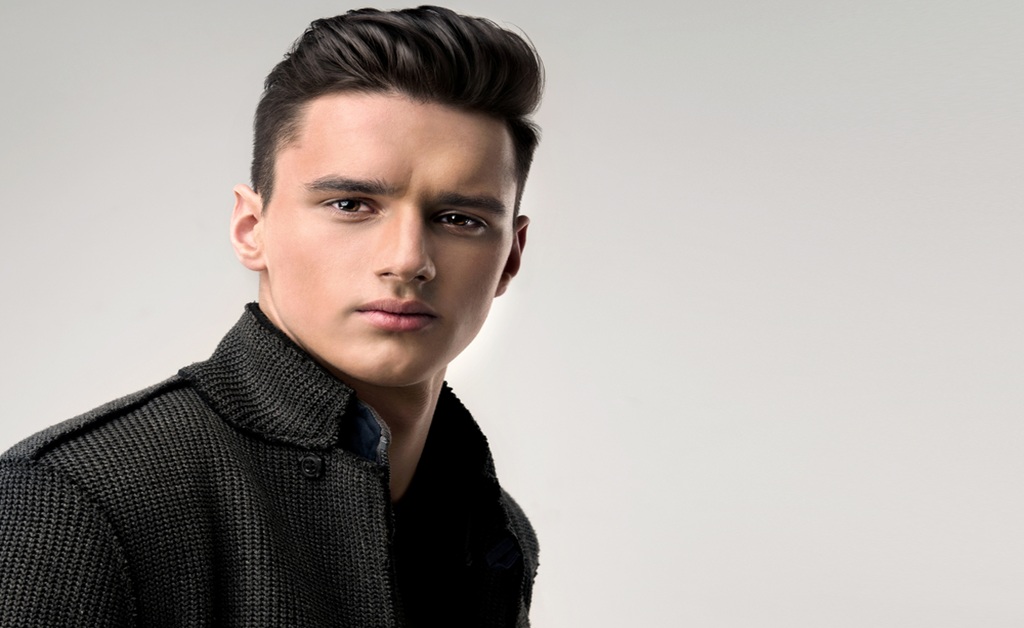
The practical benefit is undeniable: pompadours communicate confidence and style. They require some daily maintenance (5-10 minutes with blow-dryer and pomade), but the payoff is a consistently sharp look that flatters your face shape perfectly. This is a game-changer if you’re tired of haircuts that don’t quite work for you—the pompadour is specifically engineered for your proportions.
5. Textured Quiff: Modern Style with Strategic Volume
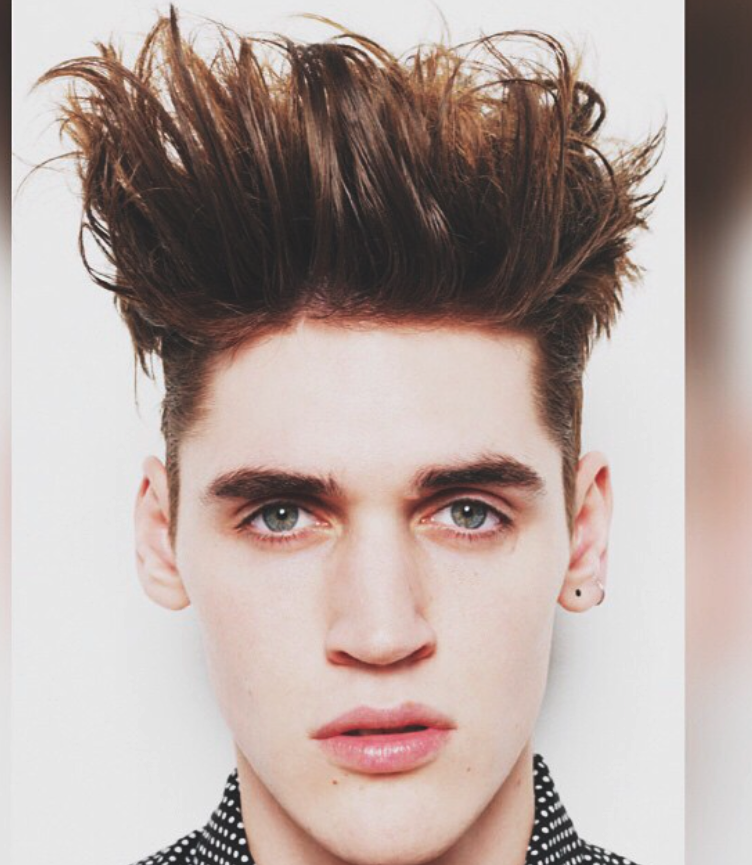
The textured quiff is the pompadour’s cooler, more relaxed younger brother. It gives you that crucial upward volume but with a more casual, piece-y texture that looks effortlessly styled rather than rigidly sculpted.
What makes the quiff perfect for triangle faces is how it combines height with forward movement. The hair sweeps up and forward, creating a focal point at the front of your face that widens your forehead visually while the textured finish adds dimension and interest.
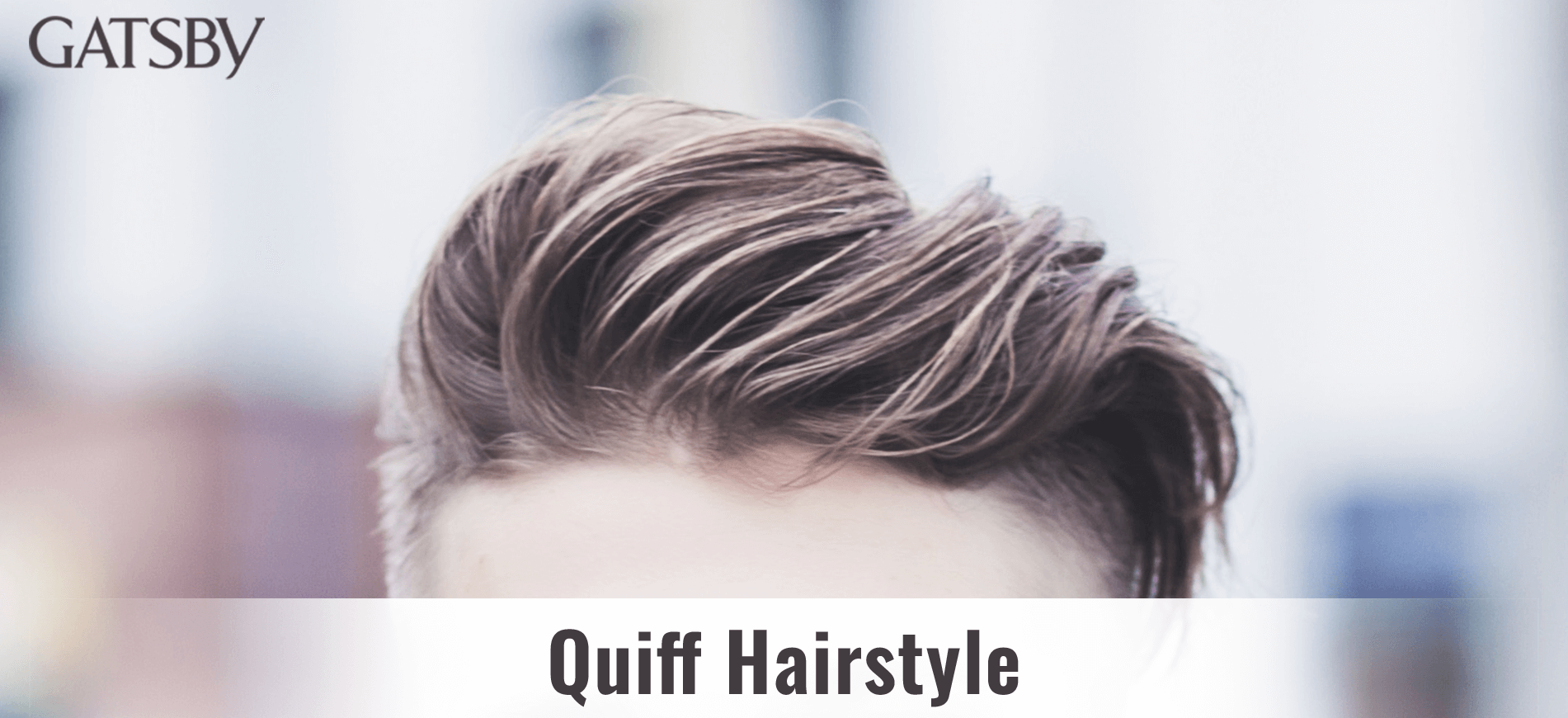
Here’s why you’ll love this: quiffs are incredibly forgiving and work with various hair types. Got thicker hair? The quiff shows it off. Finer hair? The texture makes it look fuller. Plus, quiffs are adaptable—style them higher and more structured for important occasions, or keep them looser and messier for everyday life. That versatility is invaluable when you want one haircut that works everywhere.
6. Asymmetrical Cuts: Breaking Up the Symmetry

Asymmetrical haircuts work brilliantly for triangle faces because they disrupt the symmetrical wideness of your jaw, creating visual interest and drawing attention away from the lower face.
An asymmetrical style might feature one side significantly longer than the other, an off-center part, or uneven layering that creates diagonal lines across your face. These diagonal lines are crucial—they break up the horizontal emphasis of your wide jaw and redirect the eye along dynamic angles.
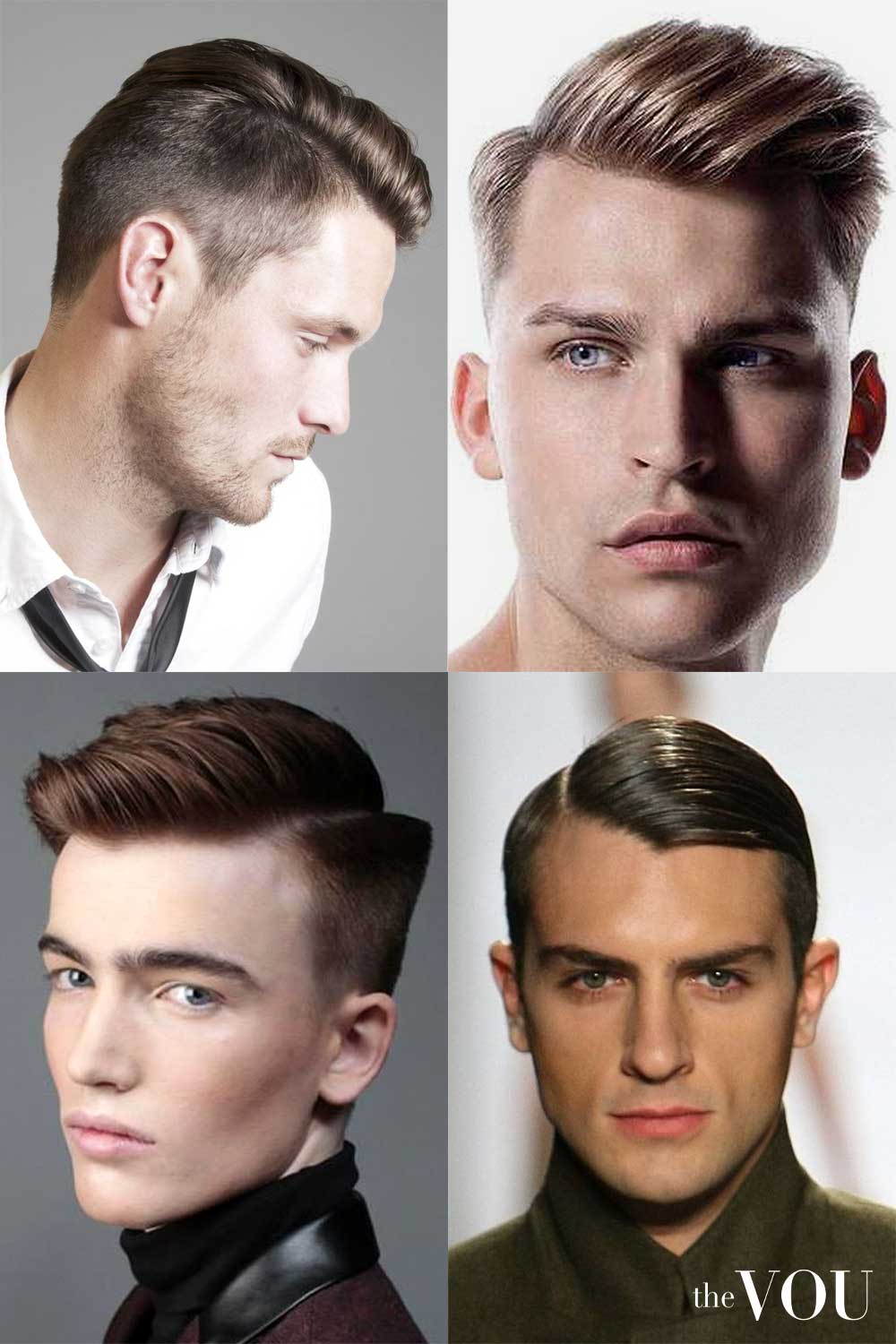
The benefit here is uniqueness. Not every guy can pull off asymmetrical styles, but with your triangle face shape, you have the perfect canvas. The strong jawline provides a solid base that makes asymmetric styles look intentional and edgy rather than accidentally unbalanced. If you want to stand out while still flattering your face shape, this is your move.
7. Messy Fringe: Strategic Forward Coverage
A messy, textured fringe that falls forward across your forehead is pure gold for triangle faces. The fringe creates horizontal width across your narrower forehead while the messy texture adds visual bulk to the upper face.
The key word here is “messy”—you don’t want a blunt, heavy fringe that looks like a straight line across your forehead. Instead, you want piece-y, textured bangs that move naturally and create dimension. This soft, informal approach is way more flattering than structured, neat fringes.

Here’s the practical advantage: messy fringes are low-maintenance. Unlike pompadours or quiffs that require daily styling, a good messy fringe pretty much styles itself. Rough-dry your hair, apply a small amount of matte clay or paste, and finger-comb forward. Done. Five minutes, maximum. If you value convenience without sacrificing style, this is a winner.
8. Side Part with Volume: Classic Sophistication

The classic side part never goes out of style, and for triangle faces, it’s particularly effective when executed with volume. A deep side part creates a diagonal line across your head, which adds visual width to your forehead area—exactly what you need.
The key is pairing that side part with lift at the roots. You’re not going for the flat, slicked look from the 1950s. Modern side parts feature volume and texture, especially on the longer side where hair is swept across.
Why this works so well: the side part is universally professional and acceptable in any environment. Job interview? Perfect. Wedding? Ideal. First date? Absolutely. But it’s not boring—when styled with proper volume and texture, it’s sharp, masculine, and flattering to your face shape. This is your go-to for situations where you need to look polished and put-together.
9. Medium Length with Layers: Movement and Dimension
For guys willing to go a bit longer, medium-length hair with strategic layers provides incredible versatility for triangle faces. The length allows for volume and the layers create movement that adds width where you need it.
Medium-length styles work because they give you options. Wear it down with texture for a casual look, sweep it back for something sleeker, or style it with volume on top and texture throughout. The layers prevent that “heavy” look that can emphasize an already wide jaw.
The benefit of going medium-length? You’re not locked into one specific style. Your hair becomes adaptable to different occasions, moods, and seasons. Plus, medium hair is forgiving as it grows out—you’ve got a solid 6-8 weeks before you absolutely need a trim, versus 3-4 weeks for shorter styles.
10. Facial Hair Strategy: Beard Styles That Complement
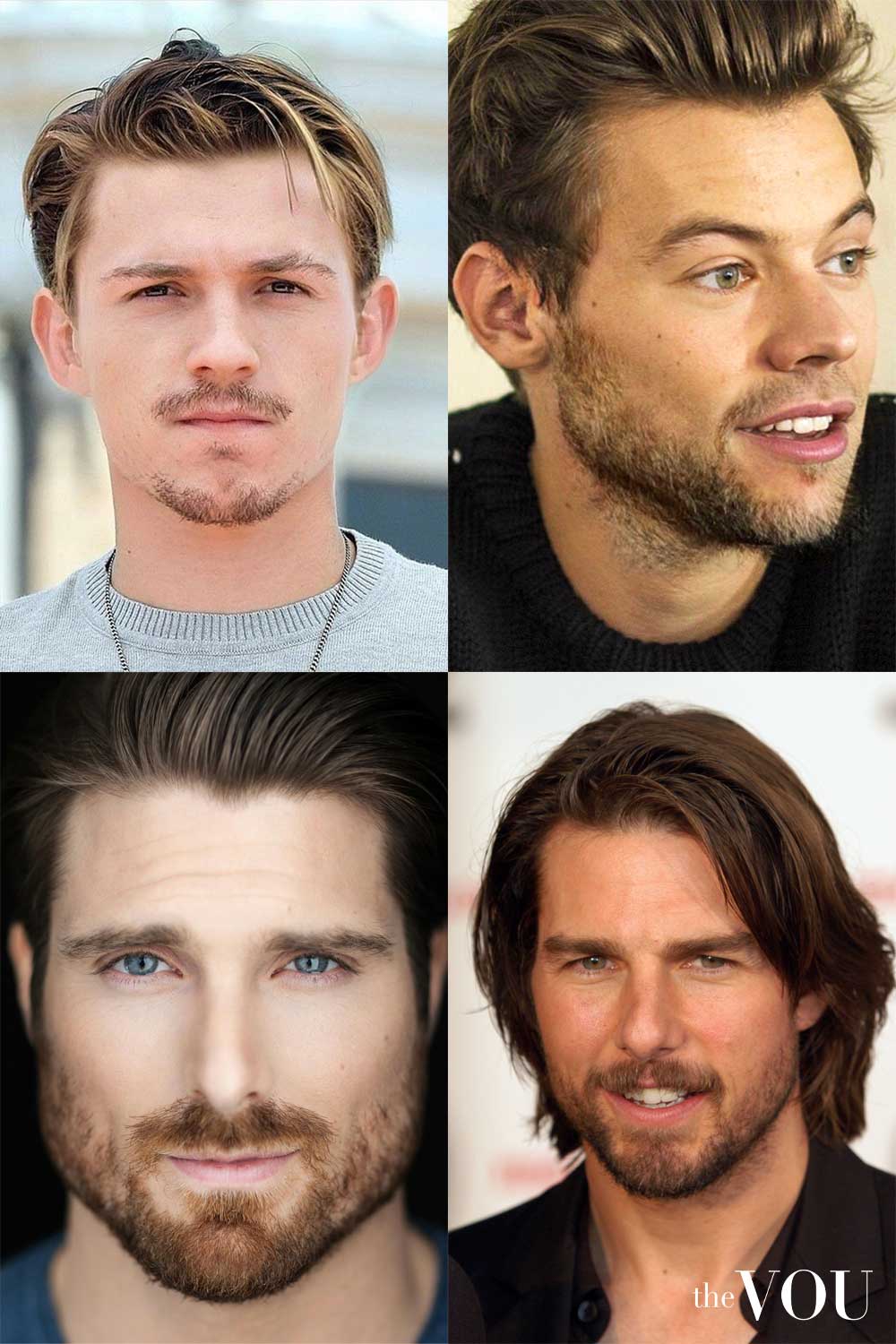
Your beard game is just as important as your haircut for balancing a triangle face. The wrong beard can amplify your jawline width, while the right beard can create incredible balance.
For triangle faces, the goal is adding volume to your upper face while keeping the beard relatively close-cropped at the jawline. This means fuller mustaches, goatees, or Van Dyke styles that draw attention to the center of your face rather than the jaw edges.
Avoid full, wide beards that extend past your natural jawline—they’ll only make the bottom of your face look wider. Instead, keep sides relatively trimmed while allowing more length at the chin and mustache area. This creates vertical lines that elongate your face and draw the eye inward rather than emphasizing horizontal width.
This is a game-changer because the right beard doesn’t just complement your haircut—it completes your entire facial aesthetic. When your haircut and beard work together strategically, you create a cohesive, balanced look that’s greater than the sum of its parts.
11. What to Avoid: Styles That Work Against You
Knowing what NOT to do is just as valuable as knowing what works. For triangle faces, certain styles actively emphasize the proportions you’re trying to balance—avoid these at all costs.
Slicked-back flat styles: When you plaster your hair straight back with no volume, you expose your narrow forehead completely, creating maximum contrast with your wide jaw. This is literally the opposite of what you want.
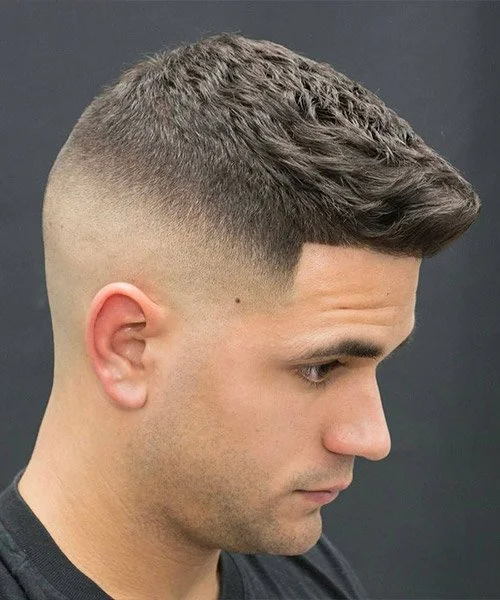
Buzzcuts and very short crops: Ultra-short hair eliminates any opportunity to add volume on top, leaving your face shape completely exposed with nothing to balance it out.
Long hair worn down and flat: If you’re going long, it needs volume and layers. Long, straight hair that hangs flat just elongates your face without adding width where needed.
Wide, boxy styles: Anything that adds bulk at the sides of your head (wide undercuts, for example) draws attention to the width of your jaw rather than balancing it.
Chin-length bobs or blunt cuts: These create a horizontal line right at your widest point (the jaw), emphasizing exactly what you’re trying to minimize.
Understanding these mistakes saves you time, money, and frustration. When you know what to avoid, you won’t waste time experimenting with styles that were never going to work for your face shape.
12. Styling Products: Your Secret Weapons
The right products make or break your haircut’s effectiveness. For triangle faces, you need products that provide lift, hold, and texture—not weight or shine that flattens your hair.
Volumizing mousse or powder: Apply these to damp roots before blow-drying. They create lift from the base, giving you that crucial height.
Matte clay or paste: These provide strong hold with a natural finish, perfect for textured styles that need definition without looking shiny or greasy.
Sea salt spray: Adds texture and volume to damp or dry hair, creating that tousled, piece-y look that works beautifully with triangle faces.
Blow dryer: Not optional if you’re serious about volume. Use it with a round brush or your fingers to create lift at the roots and shape at the crown.
Strong-hold pomade (for slicked styles): If you’re going with a pompadour or side part, choose a high-hold pomade that won’t let your style collapse throughout the day.
The benefit of investing in quality products? Your haircut will look professionally styled every single day, not just the day you leave the barber shop. Good products turn a decent haircut into a great one, and they make styling faster and easier. That 10-minute morning routine becomes 5 minutes when you have the right tools.
13. Communication with Your Barber: Getting What You Want
Even with all this knowledge, you still need to communicate effectively with your barber. Here’s exactly what to say to get haircuts that flatter your triangle face shape:
Be direct about your face shape: “I have a triangle face shape—wider jaw, narrower forehead—so I need volume on top and minimal bulk on the sides.”
Discuss proportions: “I want to create balance by adding height and width at the crown and temples.”
Bring photos: Show your barber 2-3 examples of styles you like on guys with similar face shapes. Visuals eliminate confusion.
Talk about the sides: “Keep the sides tapered/faded/short—I don’t want width there.”
Specify top length: “Leave [X inches] on top so I can style it with volume.”
Ask about styling: “How should I style this at home to maintain the balance and volume?”
A skilled barber will appreciate your clarity and understand exactly what you’re trying to achieve. The more specific you are, the better your results will be. Don’t assume your barber will automatically know what works for your face shape—communicate it explicitly.
14. Hair Type Considerations: Working with What You’ve Got
Your natural hair type affects which triangle-friendly styles work best for you. Here’s how to adapt based on your specific hair:
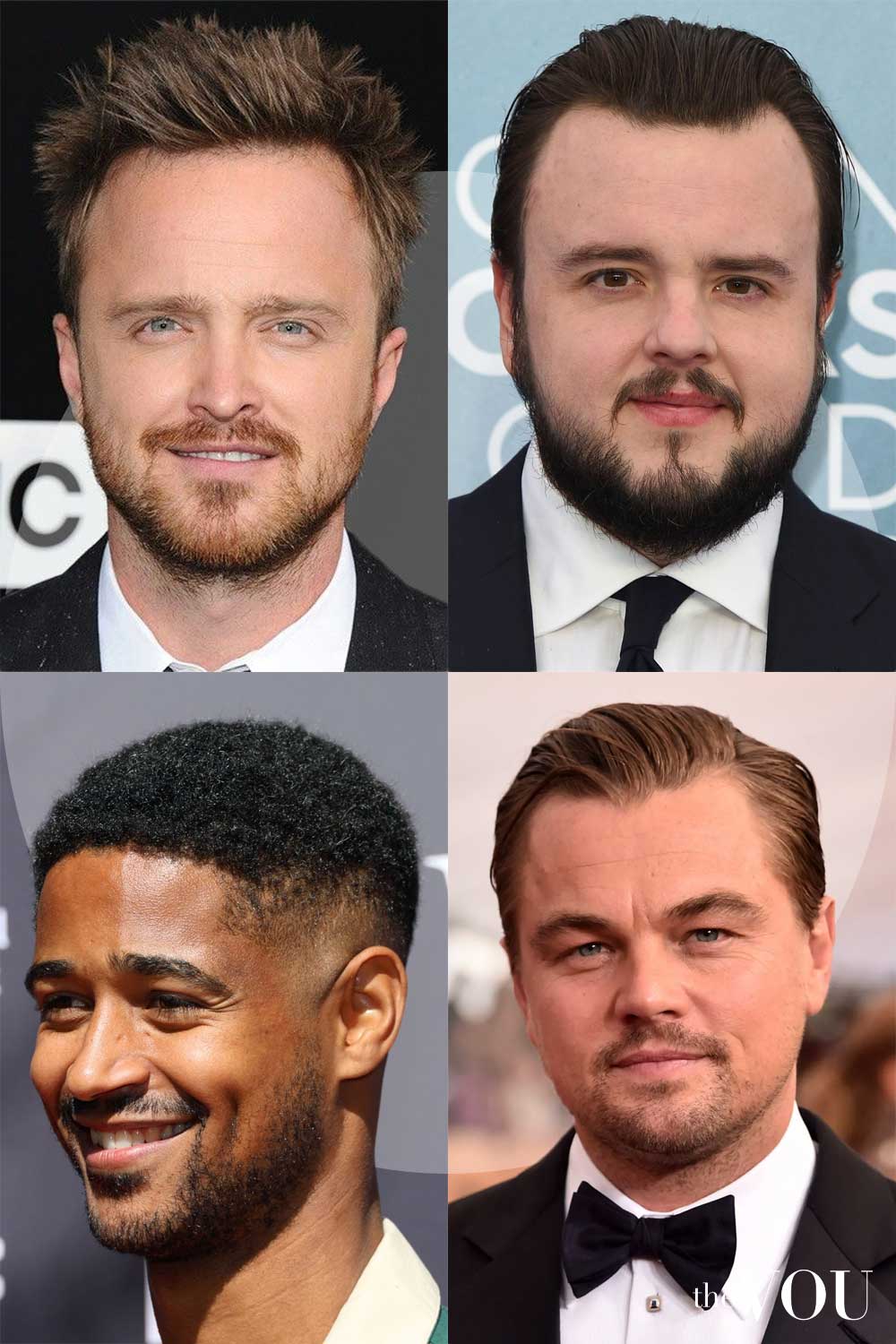
Thick, coarse hair: You’ve got natural volume, which is perfect. Focus on textured cuts with layers that prevent bulk. Pompadours, quiffs, and messy styles work beautifully.
Fine, straight hair: You’ll need to work harder for volume using products and blow-drying techniques. Shorter styles with texture (like textured crops) often work better than longer styles that can look flat.
Wavy hair: Absolute gold for triangle faces. Your natural wave provides organic volume and movement. Embrace it with medium-length layered styles.
Curly hair: Curls add volume automatically, which is fantastic. Keep the sides shorter to avoid a “triangle” silhouette, and let the top have length to showcase those curls.
Thinning hair: Focus on shorter styles with texture that make the most of what you have. Avoid long styles that can look sparse. The key is creating the illusion of fullness through strategic cutting and styling.
Understanding how your hair type interacts with triangle-flattering cuts saves you from fighting your natural texture. Work with what you have, not against it, and you’ll get better results with less effort.
15. Maintenance Schedule: Keeping Your Look Fresh
Different triangle-friendly styles require different maintenance schedules. Knowing what you’re committing to helps you choose a realistic option:
Pompadours and quiffs: 2-3 weeks between cuts to maintain shape and length. Daily styling required (5-10 minutes).
Short textured crops: 3-4 weeks between cuts. Daily styling minimal (2-5 minutes).
Medium-length layers: 4-6 weeks between cuts. Daily styling moderate (5-10 minutes).
Fades and undercuts: 2-3 weeks between cuts to keep the contrast sharp. Daily styling of the top varies by style.
Side parts: 3-4 weeks between cuts. Daily styling moderate (5-10 minutes).
Be realistic about what you’re willing to maintain. There’s no point getting a high-maintenance cut if you’re not going to keep up with trims or daily styling. Choose a style that fits your lifestyle, not just one that looks good in photos.
The practical benefit here? When you match your haircut to your actual maintenance commitment, you’ll consistently look good rather than looking great for two weeks and then progressively worse until your next cut. Consistent looking-good beats occasionally-looking-great every time.


Leave a Reply